


30 October 2026
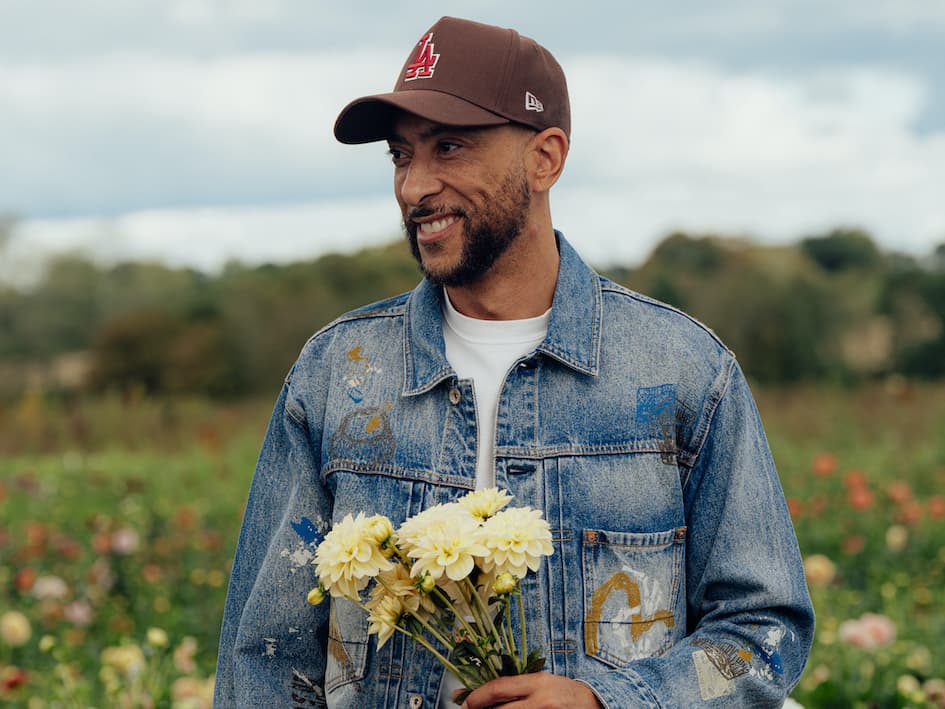
From pirate radio and grimes formative years to broadcasting and music production, DJ Target reflects on the culture that shaped his career, returning to the studio and his forthcoming album.
Few figures have witnessed the evolution of UK music quite like DJ Target. From the early days of pirate radio and the emergence of grime to becoming a familiar voice in broadcasting, his career has unfolded alongside some of the most defining moments in British music. Whether behind the decks, championing emerging talent or bringing the culture to television, his passion for music has remained at the centre of it all.
Having come up through a generation that built its own platforms long before social media, Target understands the importance of creating opportunities where none previously existed. As a member of the influential Pay As U Go Cartel, he was part of a movement that helped lay the foundations for grime, at a time when artists and DJs were carving out their own spaces without mainstream recognition.
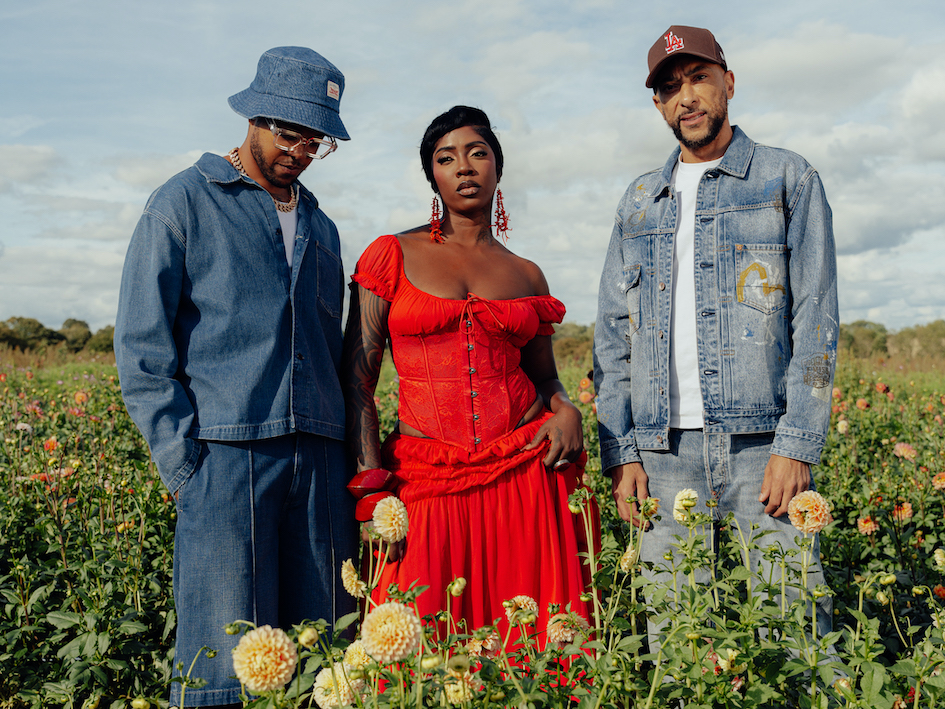
Now, after years spent supporting and introducing audiences to other artists, Target is returning to the studio with music of his own. His latest single, “Bring You Flowers”, featuring Tiwa Savage and Chip, reimagines the UK garage classic “Flowers”, bringing together two artists from different musical backgrounds. The release marks the beginning of a new chapter, with a full-length album expected next year.
Speaking to Mixtape Madness, Target reflects on the freedom of pirate radio, the importance of independence and why returning to music production has reminded him of the excitement that first drew him into the industry.
For Target, the thread connecting his many roles has always been the desire to share music with others. “Ever since I was like 14, 15, when I first wanted to be a DJ,” he recalls, playing his friends clips of songs or the best moments from DJ sets and watching their reactions was what initially excited him. That same feeling has followed him throughout his career, from radio to television.
“Whether it’s filming The Rap Game or doing my radio show, there’s an element of sharing or trying to put you on to someone’s music” he explains. “Just sharing music has been my running thing, I think.”
That enthusiasm developed during a period when UK music was largely operating outside the mainstream. Before streaming platforms and social media offered artists direct access to audiences, building a career required a different kind of determination. For Target and his peers, the absence of established opportunities became a reason to create their own.
“There’s no platform, we make a platform. If there’s no access, we’ll make the access,” he says. “We became very self-sufficient and I think that’s what’s driven this whole thing.”
It’s an approach he believes continues to influence today’s independent artists. While the methods of reaching audiences have changed, the ability to take control of your own career remains deeply embedded in UK music culture. “We’ve almost embedded a skill set into UK culture that is being used a lot nowadays,” he explains.
Beyond independence, those early years also offered a level of creative freedom that helped shape an entirely new sound. Pirate radio stations and crowded studios became meeting points for experimentation, where DJs and MCs could exchange ideas without the expectations that often accompany mainstream success.
“We was in our own world. We made the rules, and we created the whole ecosystem,” Target recalls. “If we wanted to experiment or do something completely new or try something different, there was no one to tell us, no, you shouldn’t be doing that.”
He remembers rooms filled with ten or fifteen people, all contributing to the creative process. That environment allowed different influences to collide, helping establish a culture that would eventually reach audiences far beyond its original community. “The freedom of that just let us run riot. We were able to do whatever we wanted.”
Although Target’s career has since expanded into broadcasting, television and writing, the desire to create music never completely disappeared. For several years, he had considered returning to production but struggled to find the time alongside his other commitments.
“It’s always been something that’s been on my shoulder, like, you want to go studio? You want to be creative again? You want to have an outlet for that?” he explains.
Around a year ago, he finally decided to make that time. His first session back in the studio quickly reminded him why he had fallen in love with making music in the first place. What began as a return to a familiar creative space soon developed into plans for a full album.
“There was a time where I was like, maybe I’ll just leave the producing and the making music for everybody else,” he admits. “But no, it’s really exciting. I’m back releasing music.”
Rather than rushing the process, Target believes the timing has worked in his favour. With the space to focus on the project properly, he is preparing an album that reflects the different musical worlds he has experienced throughout his career.
The first introduction to that project comes through “Bring You Flowers”, a record rooted in his longstanding connection to UK garage. The original “Flowers” was a staple of his DJ sets during the Pay As U Go Cartel years, long before grime had fully established itself as a genre.
“It’s still a tune, it’s like a staple UK sing-along song,” he says. “No matter what age group people are, they tend to know that song.”
The collaboration began when Tiwa Savage sent Target an early demo that already incorporated elements of the original track. From there, the pair developed the song in the studio before Target brought Chip into the process.
“I had an idea to get Chip on it. I called Chippy and he came in, understood the assignment, smashed the verse,” he recalls.
On paper, Tiwa Savage and Chip might not be the most obvious pairing for a UK garage record. With Tiwa’s strong association with Afrobeats and Chip’s roots in grime and UK rap, the collaboration brings together different musical traditions. Yet for Target, that unpredictability is precisely what makes the record an appropriate starting point.
“Part of the mission of this album is to bring some artists together on songs that you might not expect,” he explains. “There’s going to be a lot more of that, artists popping up on sounds or vibes that you maybe wouldn’t have caught them on before.”
Despite the unexpected combinations, he is conscious of ensuring that the music feels natural. “I want it to feel seamless. I don’t want anything to feel forced,” he says, pointing to the chemistry between Tiwa and Chip as an example of what he hopes to achieve throughout the project.
While “Bring You Flowers” pays tribute to UK garage, listeners shouldn’t expect the rest of the album to follow the same formula. Instead, Target intends to explore the genres that have accompanied him throughout his life, from the jungle DJs who inspired him as a child to garage, grime and rap.
“I think it’d be easy for people to assume after hearing this because I’ve not produced or dropped any music for so long, people could be like, oh, is he doing a garage project?” he says.
The answer, however, is far more expansive. Some of the forthcoming records draw on grime and jungle, while others resist being placed within a particular genre altogether. For Target, the album is less about committing to one sound and more about reflecting the breadth of his musical journey.
“People are going to see it as we get further into it, the range and the different vibes,” he explains.
Returning to music has also meant adjusting to a position he hasn’t occupied for some time. Having spent much of his career interviewing artists and promoting their work, Target now finds himself answering questions about his own releases.
“It feels a bit surreal to be on this side of it. I’m so used to interviewing artists and talking about everyone else’s music,” he admits.
While making the album came naturally, the promotional side of releasing music wasn’t something he had initially considered. “I didn’t actually ever think about this part, like when we’re rolling out singles and I’m doing promo or I’m being interviewed.”
Still, the unfamiliarity has brought a renewed sense of excitement. There are nerves, too, but the response from fellow artists and listeners has encouraged him to embrace the experience.
“It feels new again to me, to be back on this side,” he says. “It’s been nothing but fun so far.”
After a career spent helping others find their audience, Target’s return to production brings his own creativity back into focus. Yet the principles that guided him through pirate radio, grime and broadcasting remain unchanged. The freedom to experiment, the importance of independence and a genuine love for music continue to shape his approach.
It’s a perspective he hopes the next generation of creatives will carry forward, particularly in an industry where trends and outside influences can make it difficult to develop an individual identity.
“It’s so easy to be influenced by everything that’s around us,” he says. “I’m not saying don’t be influenced, but not to the point where you’re chasing somebody else’s ride. Be authentic to yourself.”
For Target, the message is ultimately the same one that has carried him from his teenage years behind the decks to the present day.
“My passion for music is what’s driven everything I do. As long as you’re passionate and you’re authentic to yourself, it can take you a long way.”
With “Bring You Flowers” marking the beginning of his next musical chapter and an album on the horizon, DJ Target isn’t simply revisiting the sounds that shaped his career. He’s finding new ways to bring them together, continuing the same spirit of experimentation that helped build the culture in the first place.
Words: Magdalina Fre