


18 September 2026
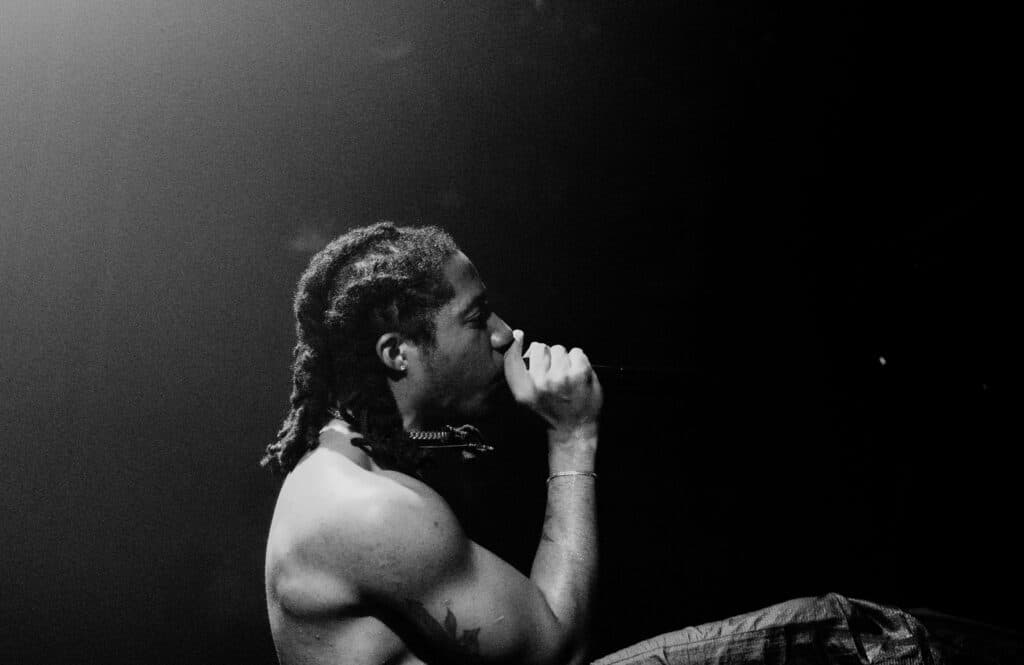
There is something unbounded about Kenny Mason’s work. The Georgia native is no newcomer, but continues to reinvent and master his craft by creating art that goes beyond the confines of rap. Lyrically, Mason has gone toe to toe with some of the heaviest hitters, from JID and Mavi to J Cole and Lil Wayne, but his latest project leans into a more punk and alternative rock aesthetic.
There is of course precedent for this, if you look at Jay Z and Linkin Park, or even Drake’s recent shoegaze leaning ‘Princess’ track, but Mason’s music feels inherently authentic and personal. Mixtape Madness met up with him after his headline London show to discuss his musical influences, Georgia, and his new album, ‘BULLDAWG’:
Can you tell me about the start of your journey in music?
I started kind of when I was like 11 or 12, around 2007. I guess I started writing raps just because I was listening to rap videos so much, and I didn’t really tell anybody that I was doing it. It was just something that was fun for me. I would listen to other people’s songs and write my own lyrics to their songs and beats that I feel like fit more to my taste, so that’s kind of how I got started in the practice of writing.
When I got older and I got into high school, around 2009, 2010, I kind of started making it my thing. People around school were now rapping. It became everything, and I fell in love with it. I decided that this was gonna be my career. I wasn’t gonna go to college and step out. I knew I wanted to be an artist.
At this jumping off point in your career, what music were you listening to that was influencing you?
Lil Wayne, Kanye, TI, but I was also really into alternative, emo music. It was stuff like that that people in my neighborhood weren’t really into, and I liked it a lot. I feel like I made it a part of my musical rolodex to where it kind of bled into the stuff that I’ve done in my songs. In middle school I was really into My Chemical Romance, and nobody else around me was but it meant a lot to me.
Growing up in Atlanta as well, you’re kind of surrounded by musical history. How do you think that shaped you artistically?
I think a lot of the things that people know Atlanta for is the swag, the language, the geographical rap history. I was living through it, even when it comes to the street stuff and the cultural stuff. A lot of stuff that’s in the Trap Museum, I saw it in real time happening, and I had relationships with these characters and in some ways I’m part of the lore. I think it’s just kind of embedded in me, embedded in my personality, and embedded in my story as well.
It’s kind of cool to see how people look at Atlanta from a fan perspective, but also like somebody who’s in it too. I think I have a perspective that most people haven’t heard musically. I think people kind of have the perspective of seeing all this crazy stuff happen with these figures from Atlanta, but people haven’t really had my perspective of viewing it. A lot of people see the tip of the iceberg without looking at what’s underneath.
If you had to create a Mount Rushmore of Atlanta rappers, who would you put on there?
(Laughs) This is gonna get me in trouble. First of all, Outkast have to share one spot because they’re a two headed monster. Future has to go on there, (Young) Thug has to go on there. For me, I think TI has to go on there. He was a superhero when I was a kid. He literally felt like the king of Atlanta. From my perspective, just from when I was a kid, he felt like he was the greatest representation of our city.
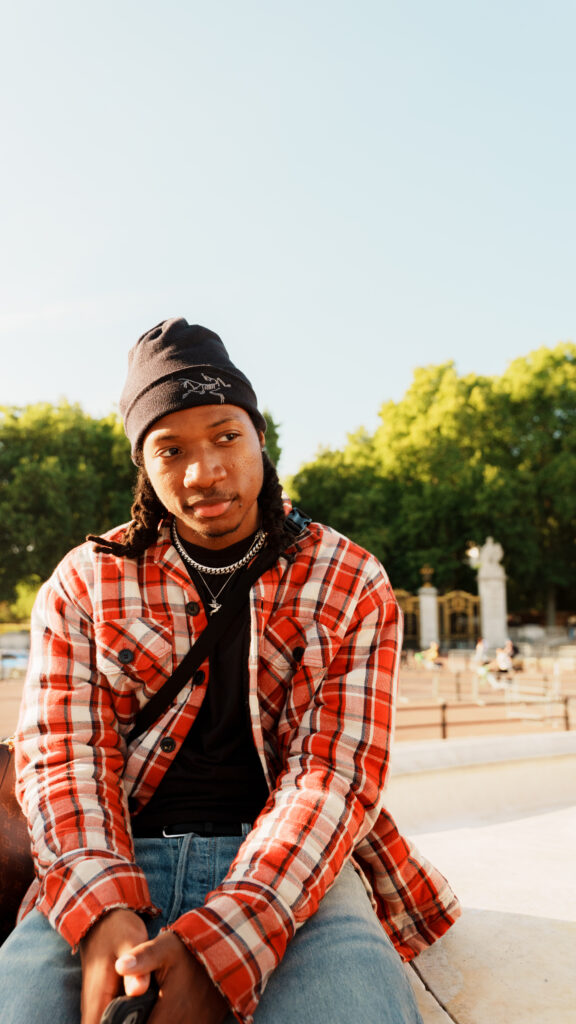
Like you’ve alluded to, you’ve been doing this for a while now. What do you think the greatest change has been from the start of your career to where you’re currently at?
I think when it comes to the process, I’ve become more disciplined over time. In my execution, the planning of making music, and I feel like it’s making me way better. It makes it hit harder, and it’s made everything more intentional, which I think helps connect to the fans more. I think I’ve gone from creating and gathering up happy accidents, to knowing what I’m doing and executing it. It makes me more comfortable.
I want to look at your latest project, BULLDAWG. Tell me about that title and why you picked it…
A bulldog to me means somebody or something that’s fearless about who they are, and fearless about what they feel their purpose is. It’s somebody who can think on their own and not let any outside forces or people give them the validation. They validate themselves. That’s all it is to me.
Bulldogs were bred to kill bulls, and I think that’s kind of what it means to me. It’s somebody who’s not afraid to go up against this monster – this Goliath, you know what I’m saying? They’re doing it for what they believe in, or to be who they believe they are. You know, that’s what it pulled out of me. It’s also linked to Georgia and the Georgia Bulldogs football team, but that kind of unfolded on its own. It wasn’t the first thing I thought about.
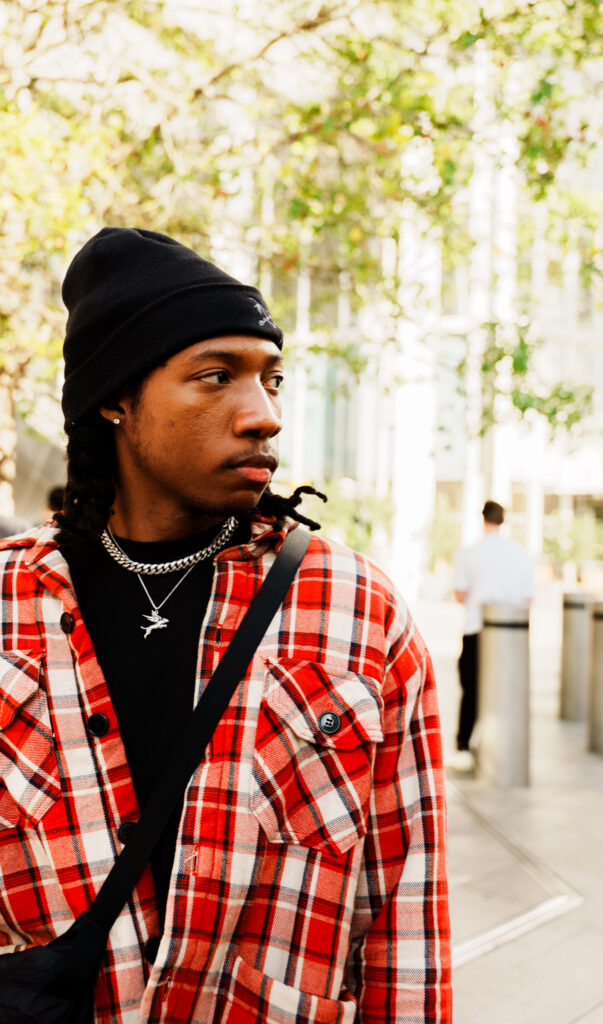
The project is more eclectic in sound than a typical rap album. What was your process like when you were making it?
At this point, for me, it was very natural. I feel like I’ve been building up a relationship with all of these different sides of music, different characters and people. At this point it felt like, okay, I’m good at this and I know who and where to go for what. I don’t want to say it feels easy but it feels more natural to me and I feel like I built the muscle up for it.
What in particular stood out for you in terms of tapping into these different genres?
Specifically, I enjoyed actually attempting to learn the guitar for this album. I think that put a whole other dynamic in my approach to writing and the tempos and feeling of the songs that I wanted. It was a literal challenge for me to learn and put it into practice.
But my music has always been guitar based, so I feel like it’s something I should have been attempting. It definitely opened my mind up to songwriting in ways that I wouldn’t have even been able to fathom. It was way more intuitive, you know? Finding the right words and tones that go over a riff and stuff like that. Like it made it made everything more 3D.
Shane Moran from Title Fight is also on my album playing guitar. They’ve always been a very pivotal, influential band for me and a lot of people in my generation, and even the newer generation is embracing their music. Shane in particular has been very influential for me. He’s kind of been a Yoda type figure on this journey, for sure.
Because of these different influences you explore, the whole release feels multifaceted. Sometimes your flow stands out, sometimes it’s your lyricism, sometimes it’s the instrumental. What are your own personal highlights?
I’m most proud of the songs that are considered different, and how hard they’re hitting. Sometimes when it comes to the label or industry people, or people who are in charge of marketing the album, they’re not sure about the songs that are going against the norm.
They’re not sure how people are taking them in, but then when I see the shows, or I hear about the testimony from fans, like the songs that sound different from what’s going on now are the hits. WHATUWANNASAY?!, COME TRUE, STREET CAR, these are the ones that are really hitting home and performing crazy. I’m most proud of that aspect because it’s a self-fulfilling prophecy of what the album’s about, anyway. When you stick to your identity and your authenticity, then you will win.
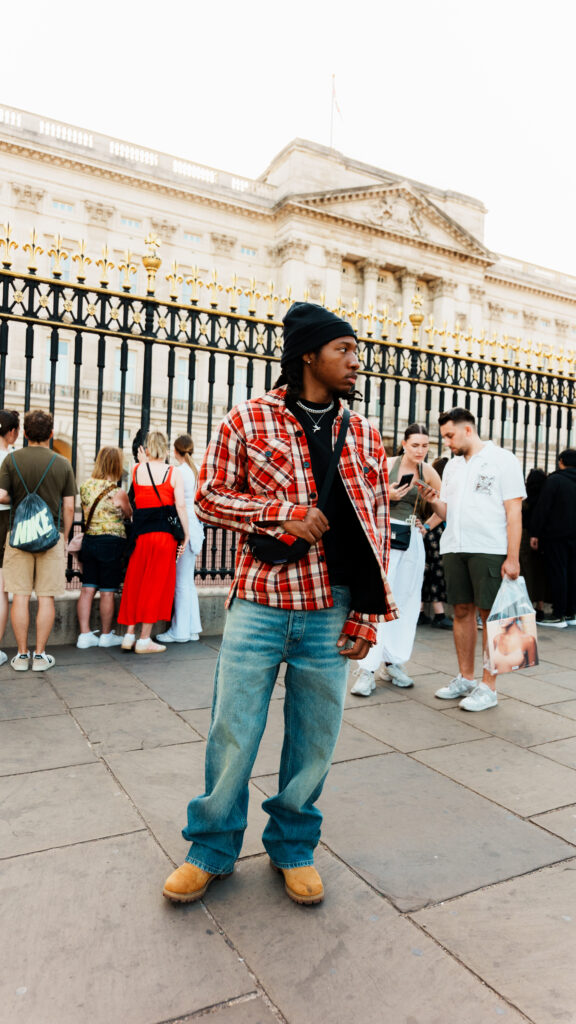
In order to achieve this multigenre music you’ve worked with a lot of different artists on the album. What do you think these features bring?
Every feature I have a close relationship with. Everybody on the album is like my homie first, honestly, or somebody that I respect a lot and respects me too. These were all people that I had done previous work with, except for SMJ. I met her recently, but we hit it off so easily that it felt like I knew her for a long time. I had a conversation with everybody about what the album was about, so when it came to the collaborations, I think everybody understood the assignment even better than I probably could explain.
Specifically with Dom (Dominic Fike), it was so serendipitous because the song that he’s on was supposed to be on his album first, and I had forgotten about it. I had done a feature for him, and I forgot about it. and a friend of mine actually reminded me about the song. He’s like, “man, this is what you’re talking about in this album, this song fits it perfectly. It’s already been made!” I basically just asked Dom for the song and he said it fitted perfectly. And he would love to have something out in the world that was made by us. I think that kind of sums up the attitude of everyone I worked with.
Aside from that song we were probably working on the rest of the album for 6 months, and recording for 2 months. I knew exactly what I wanted to do and what I wanted to say on the album, to the point where it felt like the easiest. The words came the easiest, the riffs came the easiest. Everything came with such clarity.
How does this more rock-driven, alternative sound translate to live shows?
We definitely tailor made a lot of songs for live performances. You can see it in the shows and the festivals we’re doing. The crowds are crazy. It’s like church.
What do you want people to take away from this album?
Honestly, I just want this to be one of those projects where people can live with it the rest of their life, listen to it, and experience it when they need it. I had albums like that growing up where I wasn’t really worried about how big the project was and how popular it was. It was just like, yo, this album to me is like a guardian angel or something that I needed. I’m walking through the hallways in school and this is a world that I can live in, you know? An album that helps me find my identity. That’s what I want. I just want it to be there for people for the next 10, 20 years.
I think my own ambitions go hand in hand with what I just said about the album. I just want to be one of those artists where people really feel like I help them, you know? I help them get through stuff and give them confidence in who they are. That’s it. A lot of the accolades, and all that individual stuff; that’s where sometimes it gets political. I just want my music to help people■
Photography by Ace Torie