


28 October 2026
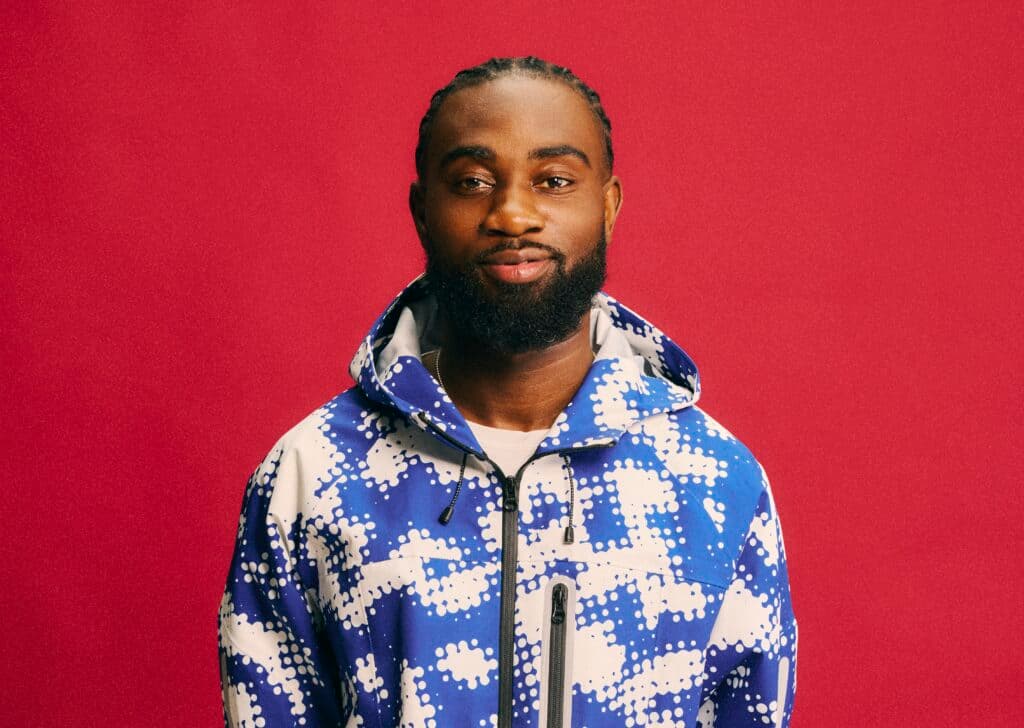
Over the past several years, Kofi Stone has become one of the most revered and trusted voices in UK hip-hop. Born in East London and raised in Birmingham, he has built his name on soulful, jazz-tinged production and writing that is disarmingly honest – the kind of introspective storytelling that has drawn collaborators such as Loyle Carner, D Double E, Kojey Radical, Tom Misch and Maverick Sabre into his orbit.
His debut, Nobody Cares Till Everybody Does, set out his stall. 2024’s A Man After God’s Own Heart turned inward, a deeply personal record about faith, family, race and love that included a tribute to his hometown featuring the late Benjamin Zephaniah. Last year’s All The Flowers Have Bloomed completed the trilogy, layering smoky live instrumentation beneath some of his most poetic writing yet.
Released earlier this month on 2 October, The Last Flower to Bloom brings the flower era to a (probable) close. Across 16 tracks and features from Mahalia, Children of Zeus, Jaz Karis, Ady Suleiman and Maverick Sabre, it wrestles with love, faith and the feeling of arriving later than you wished – and lands, ultimately, on hope.
When Mixtape Madness caught Stone at Love Supreme this summer, a short glance around from our spot near the front of the stage revealed a sea of people packing out the tent. Two weeks after the album’s release, sitting on a Zoom call with a smile on his face, he’s still taking that in. “The festival season this summer has been crazy – something else,” he says. “A lot of the performances were in tents, and they’d get so busy. It was like, ‘Wow, people actually want to come and see this.’ I’m grateful for it. There was a time when that wasn’t the case.”
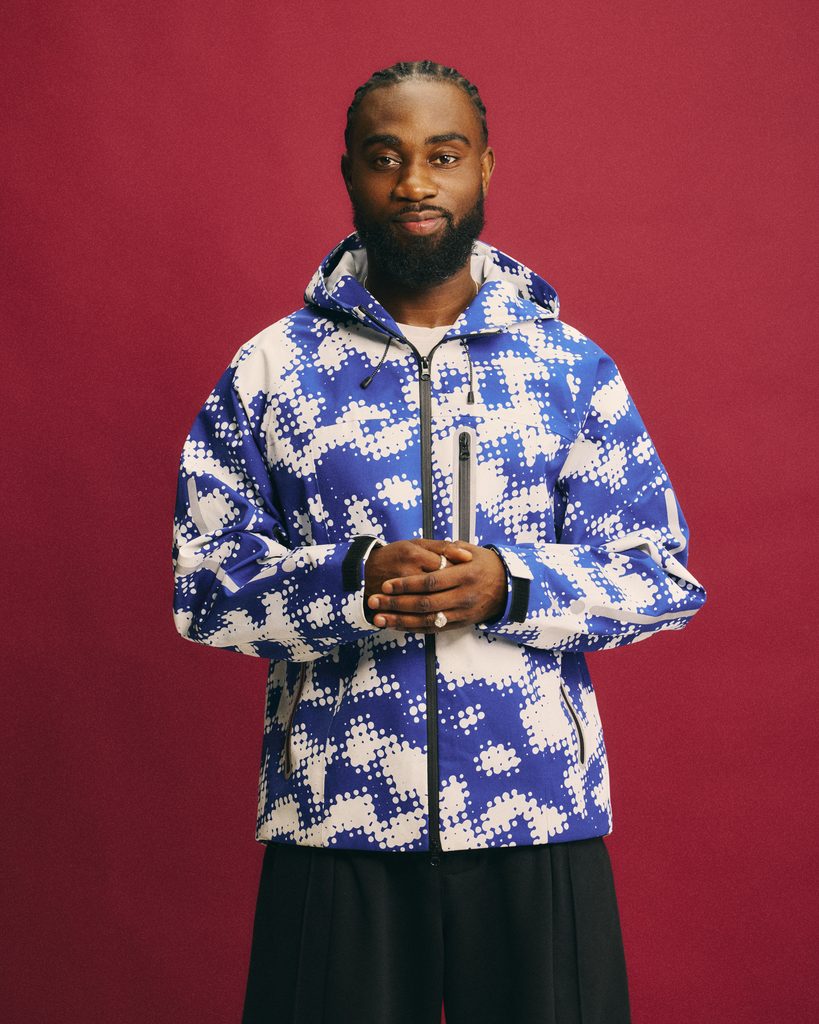
The album, too – The Last Flower To Bloom – is constantly finding more and more people. “[People] are discovering it and finding their favourite tracks and lyrics. I can see certain things resonating, which is really good,” he says. “It’s a grower – you might find new things in it over time, and different songs might resonate with you depending on where you are in life.”
The flower has been Stone’s guiding image for a while now, and, when probed on its metaphorical significance for him, he explains it simply. “I like the cycle of a flower. It feels similar to life: being a seed, having what you need to grow, and then becoming one of many flowers,” he says. “It helps me put things in perspective, and lets me look at things in a more poetic way.”
As the title suggests, though, this may be where the cycle finally ends. “This is probably the end of the flower theme. There was still more to say – I wanted to get across how I felt during that time. But I think I’ll move into something else on the next record.”
That extra something to say is how the album came to exist at all. What began as a modest extension of All The Flowers Have Bloomed soon outgrew its brief, earnestly deserving its own standalone project. “It was almost like a deluxe version,” he recalls. “Then I realised the themes felt completely new, even though they were still connected. It felt like a fully fledged project.” It took his manager – also his cousin – to say it out loud. “He pointed out that it had grown into that, and that gave me the confidence to finish more songs and turn it into a whole project.”
At his shows, it’s hard to miss how many young men are hanging on every word. In a culture that still encourages men to keep their guard up, Stone’s openness feels rare – yet he insists it isn’t a role he consciously writes towards. “Not all the time. If I write something that feels a bit too on the nose, I might dial it back,” he says. “But most of the time, writing from the heart is just my default. I try not to put pressure on myself to deliver a particular message. I’ll always be someone who’s vulnerable and wears their heart on their sleeve.”
Nowhere is that clearer than on “Arlissa”, his collaboration with Maverick Sabre, which addresses sexual assault. Here, he admits, the weight was impossible to ignore. “I felt pressure writing that song. It felt bigger than me, and I wanted to make sure we executed the point properly and opened up the conversation,” he says. “Two people close to me had experienced it, so I felt it was time to speak about it. The story happened more than ten years ago, but I wasn’t ready to address it until now.”
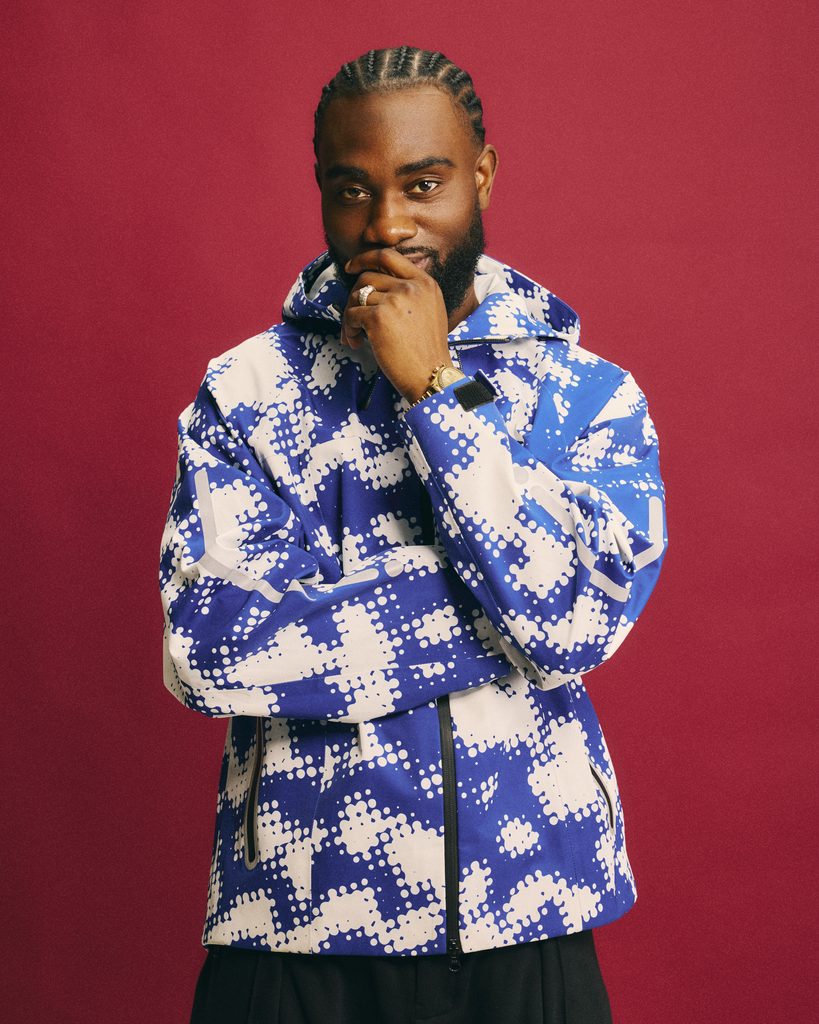
It was one of the last songs finished for the record. “I was almost afraid of it because of how big the subject was,” he says. “But songs I’ve been afraid of in the past have gone on to help people and bring them peace. I felt there was a purpose in putting it out.”
That gift for storytelling has roots. Stone has spoken before about his grandfather, a poet, sparking his love of writing – though asked whether he hears that influence on this record, he pauses. “I’ve never thought about it in quite that way, but I’m definitely going to pay more attention,” he says. “He has a lot of work out there that I should dig into – what he was writing about, and how much his style may have influenced me subconsciously. It’ll be great to look at his work and be inspired by it.”
Faith, as ever, runs deep through the album, though Stone is careful to separate belief from the people who sometimes misuse it. “I speak about how people can sometimes spoil it, but that doesn’t mean God does,” he explains. “For me, that’s about looking to God rather than to people, because all of us are flawed in our own ways. Sometimes we point the finger at faith because of what people have done, and that can blur what faith actually is.” The same goes for love. “I try to give the bigger picture and help create an understanding. There’s usually a deeper message – a positive light at the end of what I’m saying.”
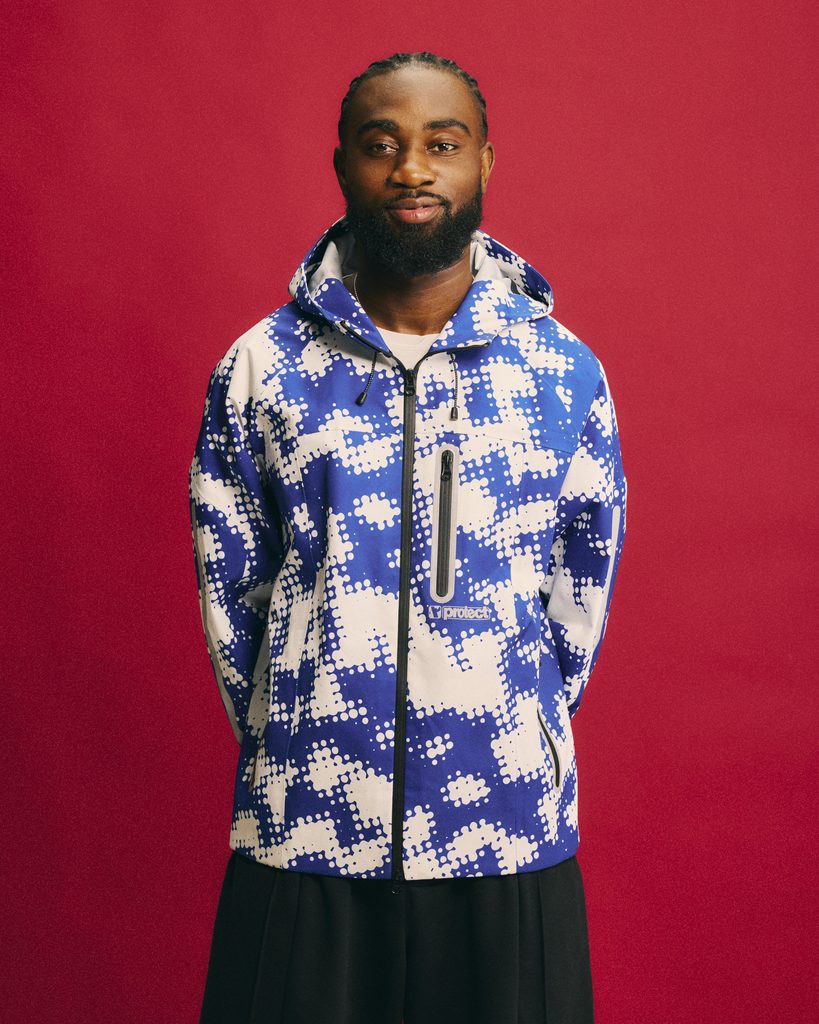
When Mixtape Madness spoke to Stone just over two years ago, before the release of A Man After God’s Own Heart, Stone was writing his way through a difficult period, driven by wanting to look after the people around him and repay his mum. Those motivations remain, but something has shifted. “This project felt like it was for people who might be in a similar position to me – people who feel late to acquiring the things they set out to achieve,” he says. “I’ve become more accepting of where I am as an artist, and I’m sure a lot of other people feel the same way. I wanted to help people feel they’re not alone, and that they’re exactly where they’re meant to be. The through line was that we’re all going to be okay.”
If there’s one principle holding all of this together, it’s authenticity. “I think it’s probably the most important thing,” he says. “When you lose authenticity in music and writing, you’re on dangerous ground. You can become part of the machine, part of the beast – no different from someone just trying to make a quick buck. If you’re completely yourself, people might see themselves in your honesty. I believe that’s what artists are here for: to be a voice for the voiceless and provide comfort.”
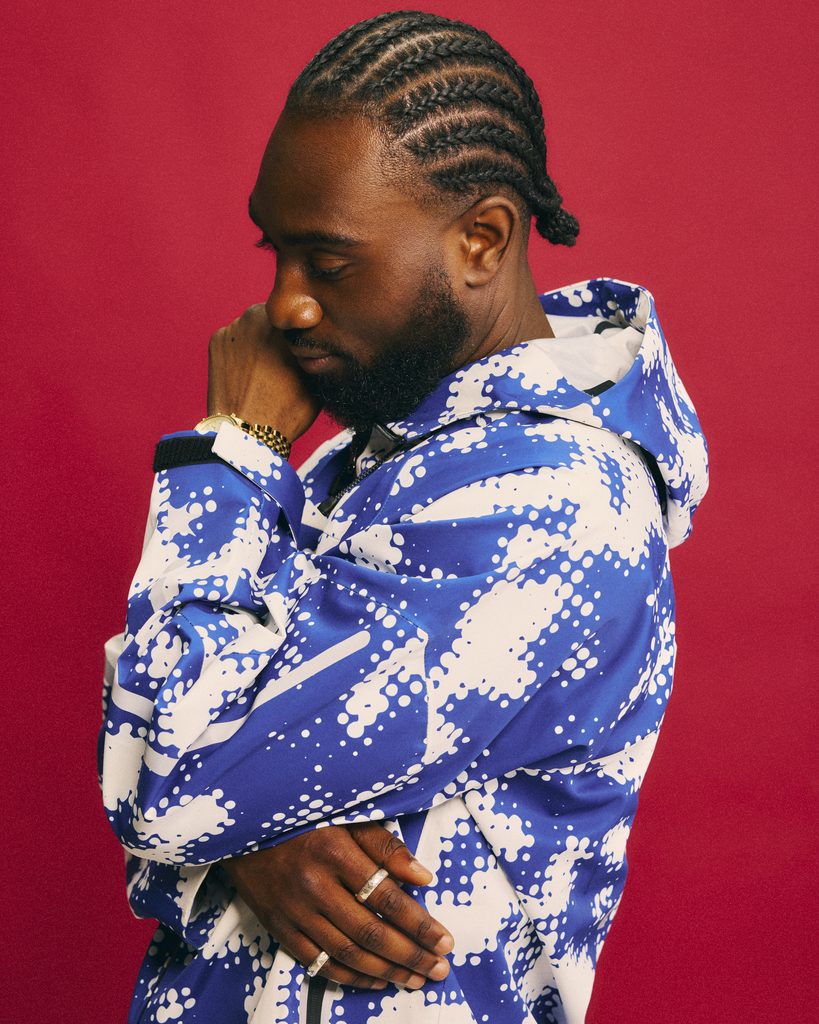
Away from the studio, his world is widening. This September, Stone made his UK Fashion Week debut, attending shows at London Fashion Week alongside the likes of D Double E and Maverick Sabre. “Unfortunately, I was late, so I was in a bit of a rush and on edge,” he laughs. “But once we got into the room, it was great. I love fashion – I really have a thing for clothes – and I think music and fashion go hand in hand.”
With the flower chapter now closed, it feels natural to end by asking what comes next. “More music, definitely – but different music. I think it’s time to go in another direction,” he says. “I’d like to try different things with different artists, because I haven’t done a lot of that. I’ve also been thinking about making a short film, so that could happen. But music will always come first. There’s a lot in the works.”
The Last Flower to Bloom is out now here.