


3 November 2026
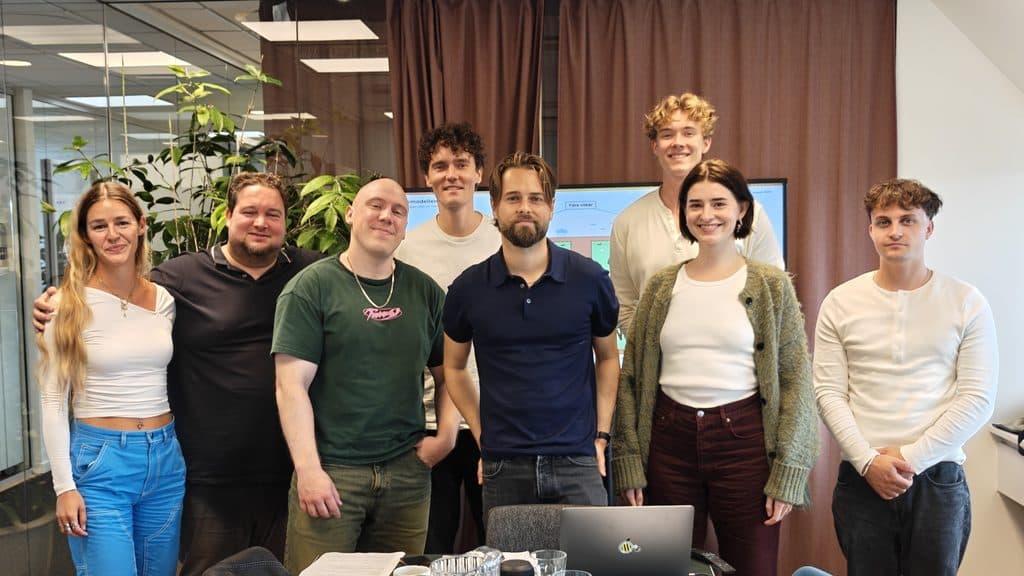
“The music industry ecosystem has long had a duty of care problem” claims ColliderScopeCollective. Chappell Roan agrees. In her 2025 Grammy speech she demanded that “labels and the industry profiting millions of dollars off of artists [should] offer a liveable wage and healthcare”. Connecting artists between Copenhagen and Los Angeles, ColliderScopeCollective spreads itself across management, publishing, and creative development.
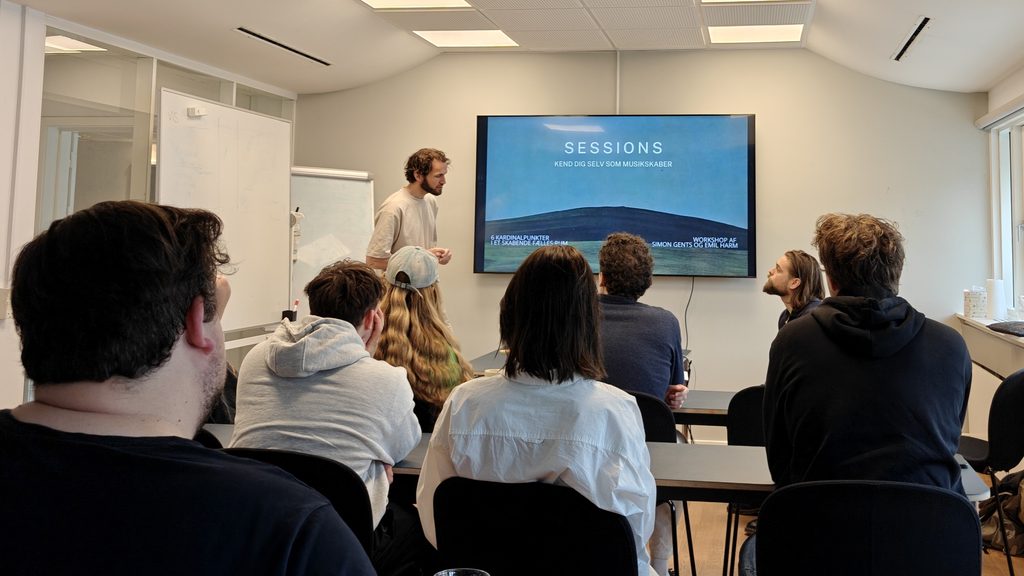
Heeding Chappell’s call, ColliderScopeCollective is placing their artist’s well-being at the forefront of their operational philosophy. With that in mind they have set up workshops with clinical psychologist Simon Gents. After the success of the initial workshops, the CSC now plans to implement these sessions as a foundational tenet of what it means to be part of the collective.
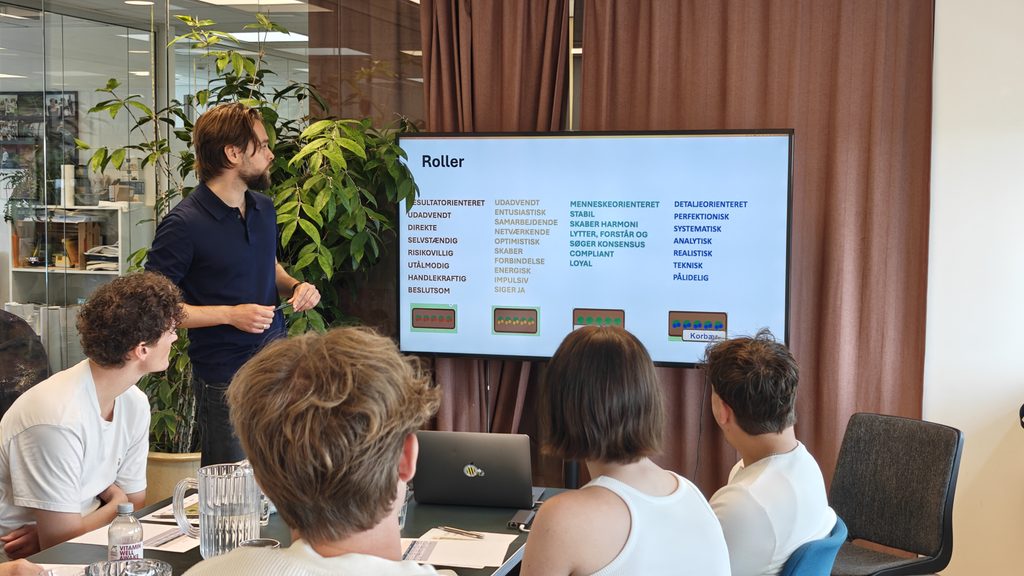
I spoke to Al Jacobi, a rap artist signed to CSC, about what it has been like to be a part of these sessions, the contributing factors to the industry’s neglect of artist’s welfare, and how these can be overcome. On his first experience with CSC’s founder, Simon Dilling, Al said “we ended up speaking about Lord of the Rings for three hours and forgot to talk music. What CSC does very well is human connection”. Al says “different ways of communicating, facilitating safe spaces to understand each other, and building good team spirit has long been on the radar for Simon”.
In bringing these ideas out of abstraction, the workshops have been group-based and focused on communication. “We get different kinds of tools to communicate. What I have found to be important is aligning with what each person means when they say something, because that can be very different to what I would mean”. The sessions have allowed Al to “understand why people react in a certain way to certain things. When you understand that, it’s much easier to not hold anything against each other.” I asked Al whether these sessions have benefitted his career. He says “it’s not really about me as an artist. It’s more about the collective. I feel it has benefited us greatly, but I also individually benefit from it through learning how other artists approach these kinds of issues.”
With an occupation that seems so desirable, it is easy to forget some of the harmful dynamics at play. The industry constantly “tells us to be grateful for every opportunity. So, we sometimes forget to ask ourselves: “is this what I want and how I want to do it?”. Al joined me online from Potsdam where he is on day 55 of his 100 Gigs In 100 Days tour. A truly remarkable feat of endurance, it brought us naturally onto some of the other stresses for musicians. He names “performance culture and the scrutiny of it” and “your phone being this weird mixture of personal and work relations” as two potentially harmful realities of an occupation where poor mental health has been romanticised almost like no other. All we have to do is look to the 27 club, where it is clear the perceived glamour of musicianship is actually the thing that cuts the deepest. Al says: “There’s still a narrative that great art costs something, but it can still occur when you have job security and a good foundation. Oftentimes better art will come from that because it allows you to nourish your heart and your craft in a different way.”
The trope of the tortured artist has arguably been around since Plato. Ludwig van Beethoven, Vincent Van Gogh, and Sylvia Plath represent the canonisation of this stereotype. In recent years, the reported mental-health related deaths of SOPHIE, Juice Wrld, and Amy Winehouse show the enduring potential danger of the music celebrity lifestyle. Yet, Al explains how this tradition and the contemporaneous ubiquity of social media intertwine. “There’s always been a romanticisation of trauma in art. But now there’s this weird dynamic of people only presenting their victories on social media. So, it becomes an existential paradox where people think they need to feel bad to create good music, but also that they’re not allowed to because everything presented on social media is positive.”
I asked Al whether he thinks the industry at large is doing enough to mitigate some of these harms: “there are a lot of tools given, especially in the Danish music industry, and a lot of initiatives focused on mental health that may help people better understand themselves, but at this point, it’s still not solving structural problems – which I hope it will. But, I’m worried that sometimes we’re more so treating the symptoms rather than the actual root of the problems.” The triopolizing effect of the big three labels creates a power imbalance between the industry and creatives. Al says “there’s still a very big us-versus-them mentality between musicians and the rest of the industry. I wish people would start looking at each other like colleagues rather than people trying to work against them.”
CSC’s sessions seem to be attempting to reverse that. Learning how to communicate more honestly and respectfully is a good first step to alleviate some of these problems. In an industry that a lot of people want to be in, it is easy for gatekeepers to neglect an artist’s well-being. The fact that CSC focuses on the us, the team, the collective, shows how in attempting to understand other’s point of view, not only can music’s social ecosystem move forward together, but by taking this philosophy to the macro of wider society, so can the tired dialectic between capitalism and socialism, right and left, us and them.
Words by Charlie Edmondson