


16 November 2026

Eerf Evil (Live Free read backwards), is a rapper from South Norwood, Croydon. His first foray into music began in the realm of faith, under the humble ceilings of his dad’s church in Brixton. He’s thinking for a moment…“I get the preacher in me from my pops, who’s a pastor. I guess I got the spirit of music from there”. Rap followed shortly after, and in South London the regular riddims playing were from the esteemed gangsta grime collective Roadside G’s and PDC, also known as Poverty Driven Children or Peel Dem Crew.
Eerf got into rapping through his brother, who was also a rapper, hosting cyphers (which you can still find on YouTube!), where “the whole ends would come out for a cypher. That was my earliest entry point into music. I would do two-two bars from when I was 15. It brought people who were beefing with each other together. My dad running a church and us growing up in ends, it made us have a positive outlook on things, but we were still in ends. We were this living contradiction, and everything we rapped was for the betterment of our people. That became everything.”
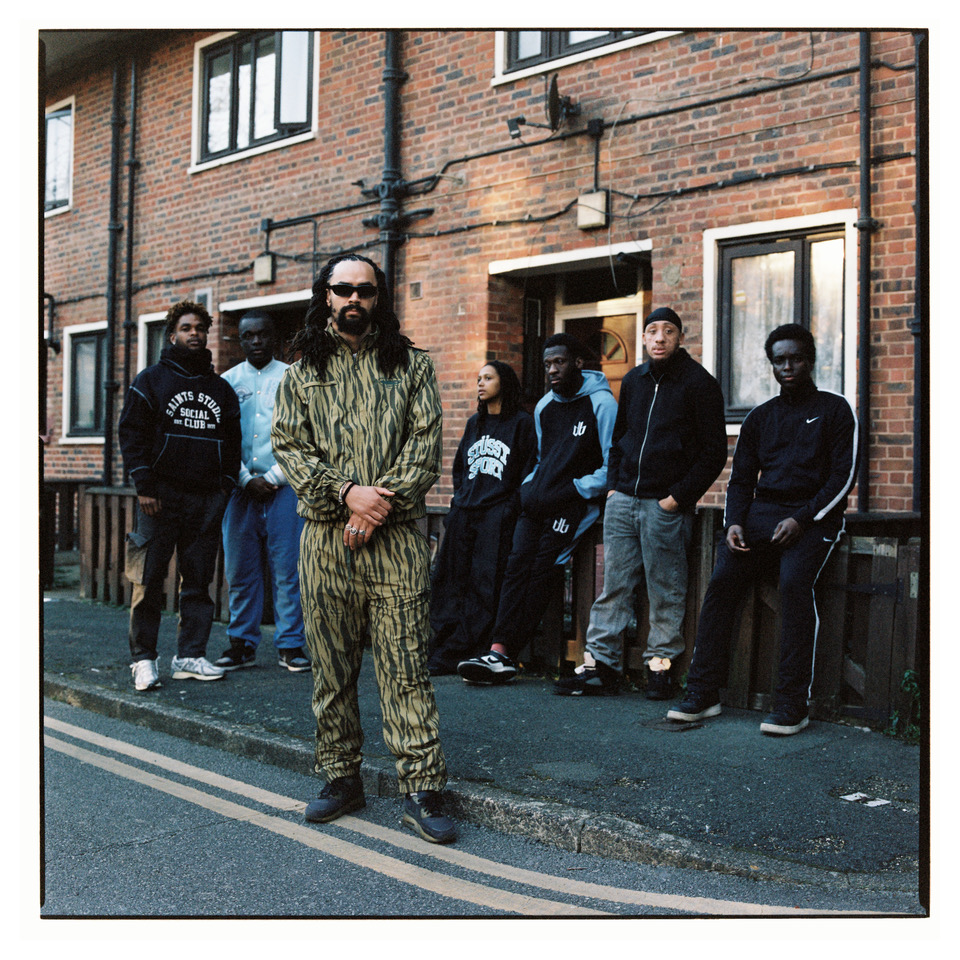
When he was 17, he started youth work in Croydon and immediately knew music was an influential tool for having conversations with ourselves. “I learn through music. If we’re not learning our history through other spaces, how do we learn it through music? “Burning Spear” by Christopher Columbus teaches us about reparations and history. Fela Kuti was a global superstar, yet he talked about revolution hard, even though he was a gangsta at one point.”
Music and Liberation are always connected – but why has it skipped a generation? The language of liberatory politics has always existed as his musical endoskeleton. But music isn’t only a way of looking backwards, or learning from those who came before. It’s about recognising the value in the present and imagining what’s next.
“I’m learning to play percussion on smaller instruments as you go. If I had seen myself in it before… Now I see Yussef Dayes or Ezra Collective or Mansur Brown at a jam… when I was growing up it wasn’t like that. When I saw them, I was thinking, “Wow! The mandem! We’re limitless”. If we live in a culture of relentless nostalgia, where the past is ironically the forward driving vehicle, Eerf refuses to get in.
“I don’t wish to go back. There is no endpoint to learning, and I had this realisation a few years ago. In music, a lot of people are thinking, ‘ How is it gonna make them blow up now? Instead, I shrug that to the side because I believe I’m going to be a soundman, and I’m going to be a soundman for life.”
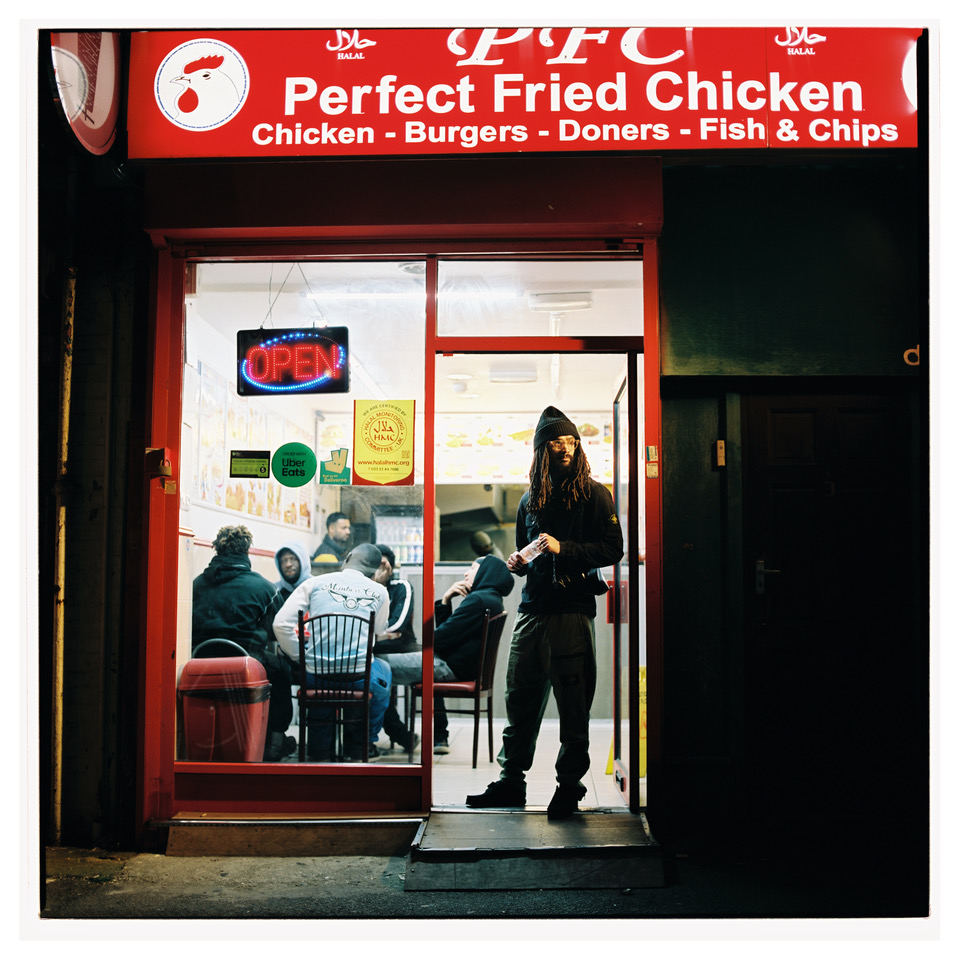
“When you meet people on this journey of creating music, you meet people for life. You don’t approach people in a ‘what can you do for me? ’ way. It’s not about that. We really want to build a community, a community that explores the question of ‘what does it mean to bun Babylon?’ One world has to burn to create a new world of peace, a world of love, a world of care.’
Eerf Evil in and of itself is a striking moniker, and the name lies in a never-resolving inquisition. “This name, when read backwards, stands for Live Free. Even if no one gets it, and it’s me that gets it, I’m blessed with that. I’ve even got it tatted on my chest – it’s a question I ask myself all the time: how free am I living and how much more free can I be?”.
The 12-track album, released on the 13th November via Root73 Records, is accompanied by a film featuring young people who’ve worked with Eerf over the past 10 years, titled It Could All Be So Simple, which references Lauryn Hill’s The Ex Factor. “It took 7 years to make, so ironically it wasn’t so simple. It’s a letter to the mandem, speaking on how we’ve grown up, where I’m from in London and “Know Yourself” ft. Maverick Sabre is a guide on introspection. How I wish someone had taught me to approach self-reflection, but I had to learn for myself”.
“I practise free-writing for seven minutes in the morning, which is great because it allows me to process what’s in my mind. I’m far more interested in creating from scraps of material that already existed. Something may or may not come out, but there’s no purpose to it, which is amazing… sometimes I’m writing about life, sometimes about liberation and sometimes about the Weetabix I had in the morning”.
“What’s food for thought / if there’s never food for the author” is one of my favourite lines from his catalogue. Placing a heavy emphasis on self-education, Eerf describes his music-making process as a “dub plate on research”, taking inspiration from Thomas Sankara, Audrey Lorde and adding rhythms on top of elders’ teachings. In fact, his brand-new album “It Could All Be So Simple” is an intertextual chamber of funhouse mirrors reflecting political scholarship.
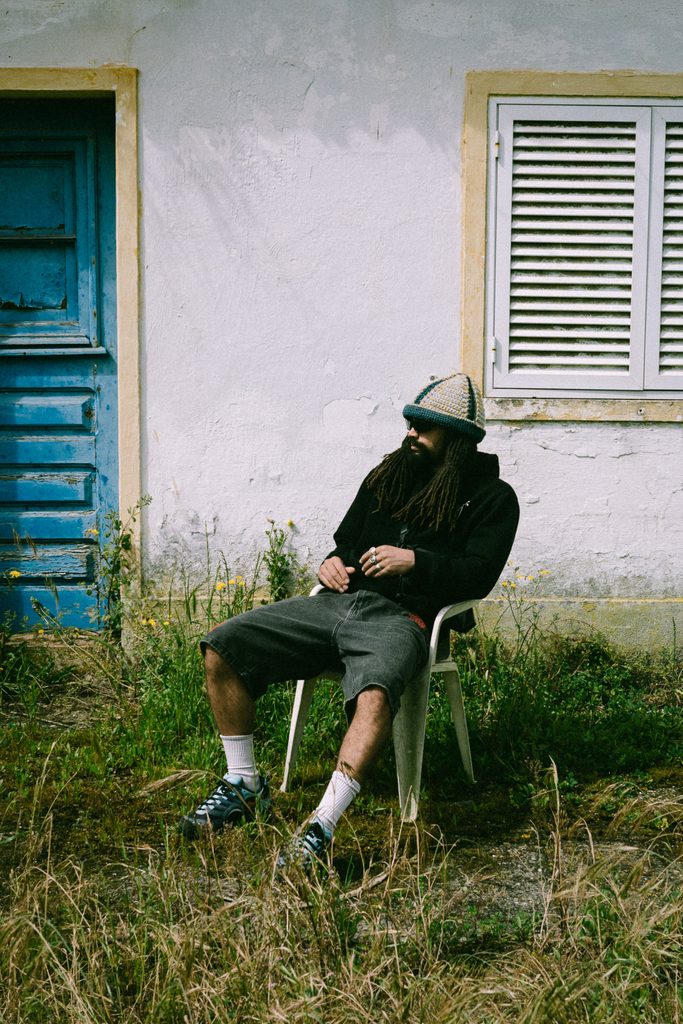
“Music responds to climate”, Eerf proclaims. “In Jamaica, you got Reggae. In Ghana, you got highlife. In London, you got grime. So that’s one way, but then what about the current angst in response to the political climate?” “I truly believe in a new world, a new system, and that this current system will collapse,” he says, drawing on Audre Lorde words: “The Master’s tools will never dismantle the Master’s house”.
For Eerf, the question is what artists do with the structures they inherit; he references Talib Kweli’s thinking about artists creating human experiences and pushing against the mechanical structures around them. Is there a way to acknowledge whether you are adding to the noise or creating a pathway for people to find something else?
Eerf sees sound-system culture as one possible answer. He sees it as a local model for community development: building taste, sharing knowledge, and bringing people together. His emphasis on returning to physical formats via vinyl, cassettes, and CDs is part of a wider hypothesis on future alternative ecosystems and whether it’s possible to build something more tangible and sustainable outside our dependence on digitisation. Underneath it all is a belief in generosity, mutual trust, care and companionship.
“For me, it is life and death. It is so serious. I’m gonna be here, and I’m not gonna be a martyr either, but I like community work more than music; I often prioritise that even over music. I’ve got nephews that are growing up, and I want them to see the alternatives in this lifetime. I just want my neighbour to be as free as I am.”
The desire to share freedom, rather than hold it individually, is also at the heart of the Youth Club Imagination Tour. A UK-wide programme rooted in youth spaces, it creates room for young people to tell stories drawn from their own lives, communities and histories.
Through the OURCHIVE Storytelling Fund, 24 young people aged 18–30 will receive £3,000 each and six months of development time, alongside mentoring, community support and creative resources. The wider programme brings together storytelling, music, sound-system building and youth-club residencies, creating spaces for young people to learn from one another and make things together. Eerf Evil’s search for living free is certainly not a solo mission■
Words by Sakithya Sonathan